Back to Events & Publications
Event: 2026 March 23
- 26
Back to Events & Publications
Event: 2026 March 23
- 26
Advancing openBIM: From Business Value to Global Mandates
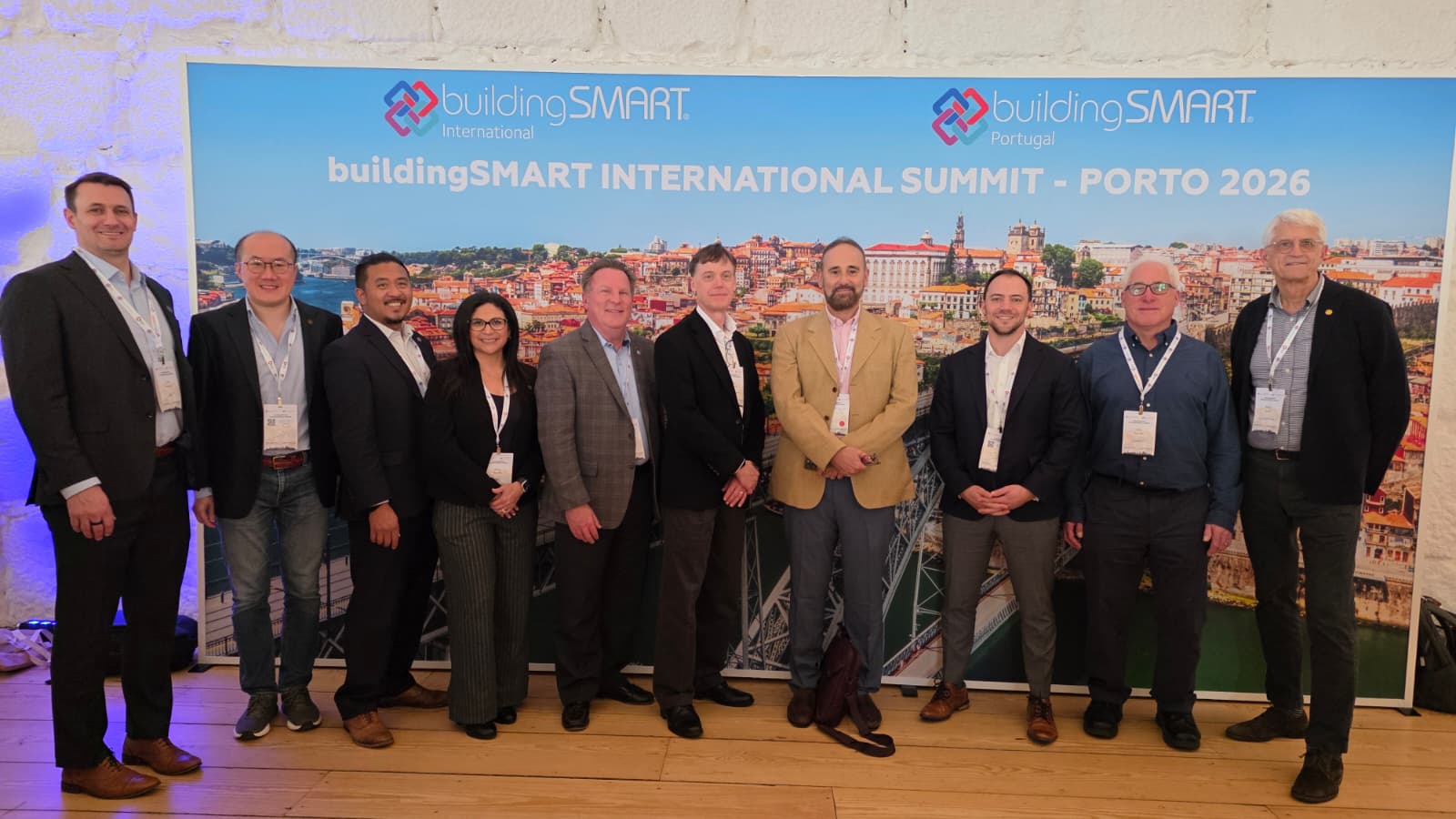
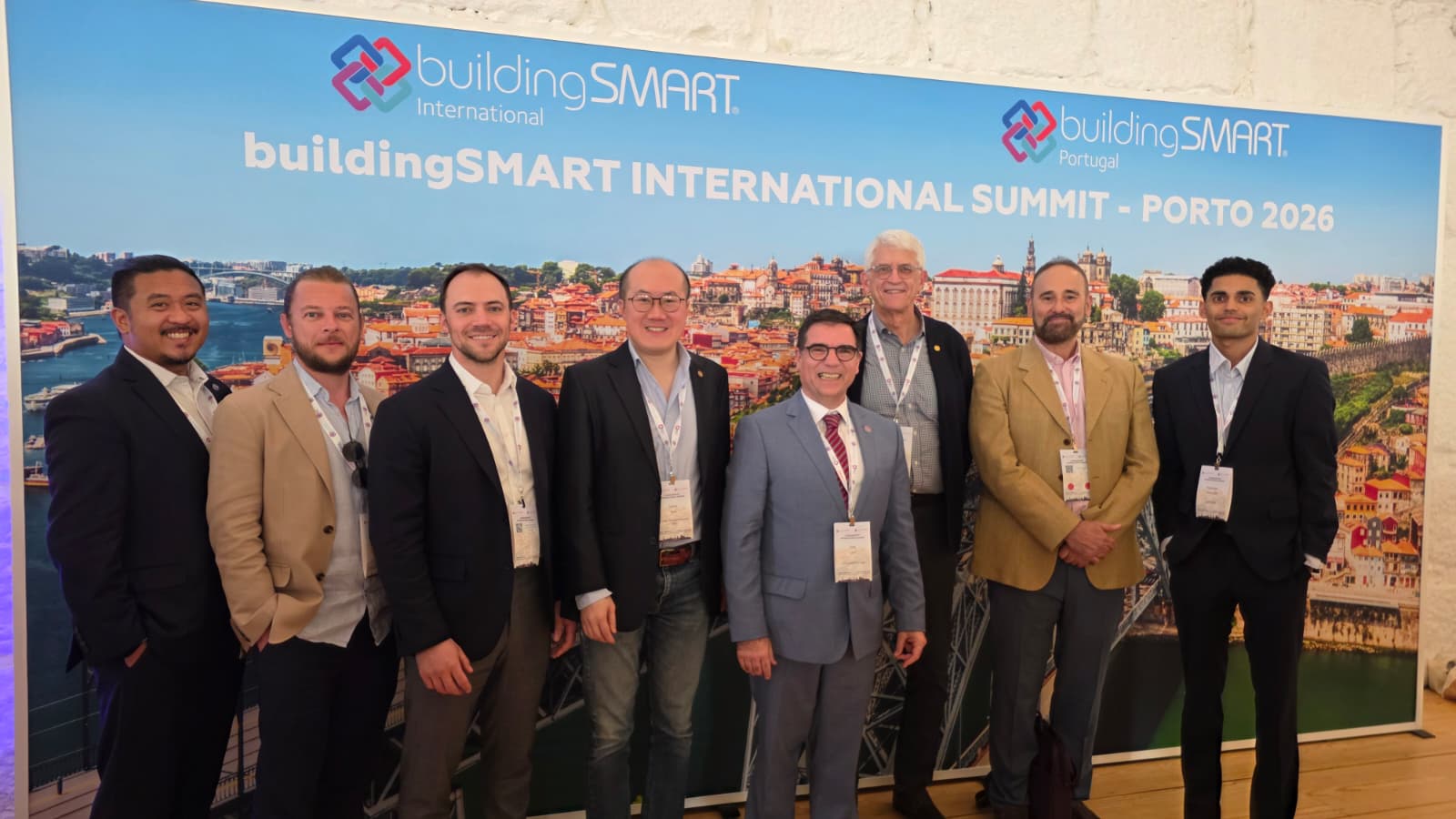
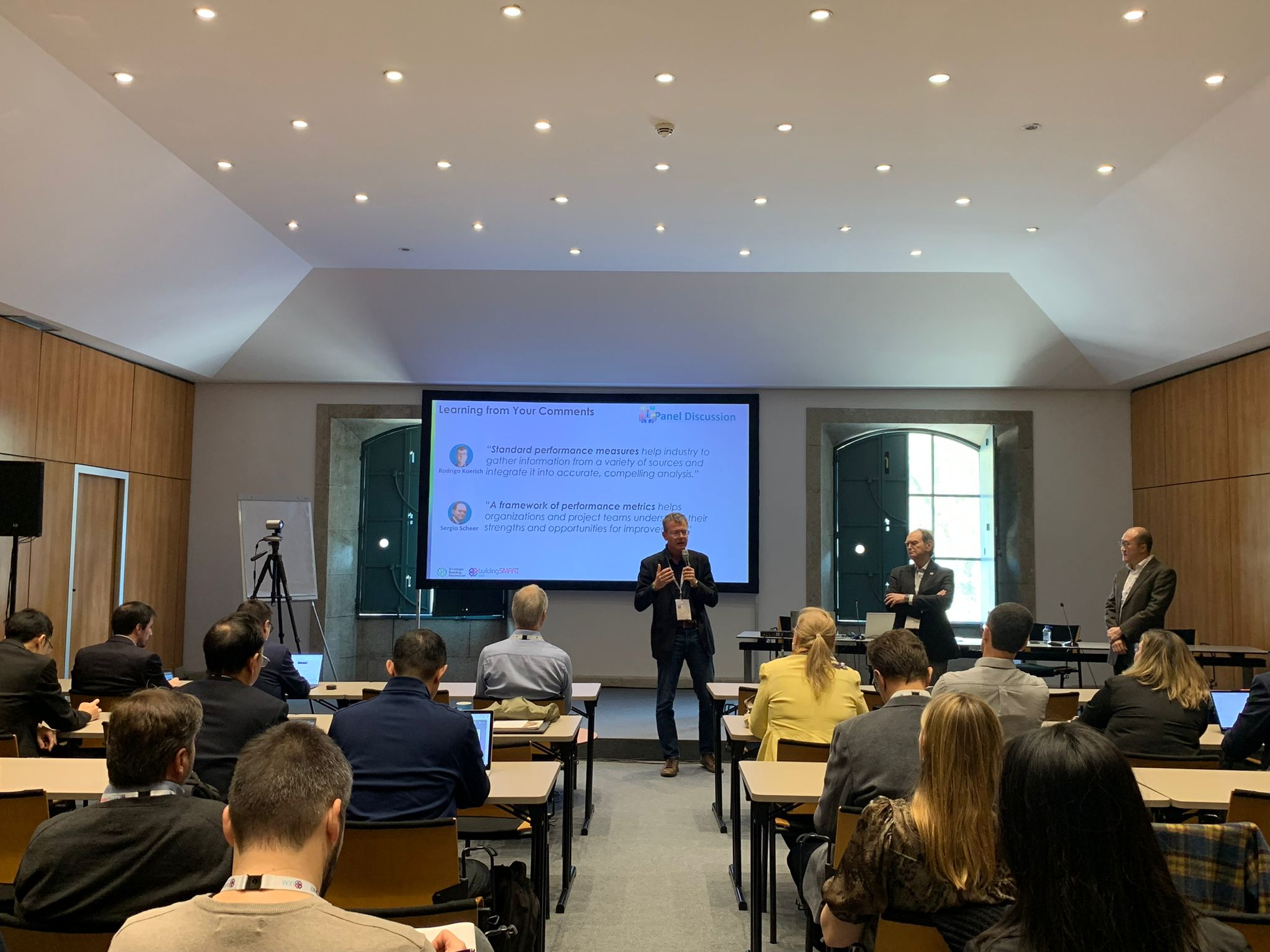
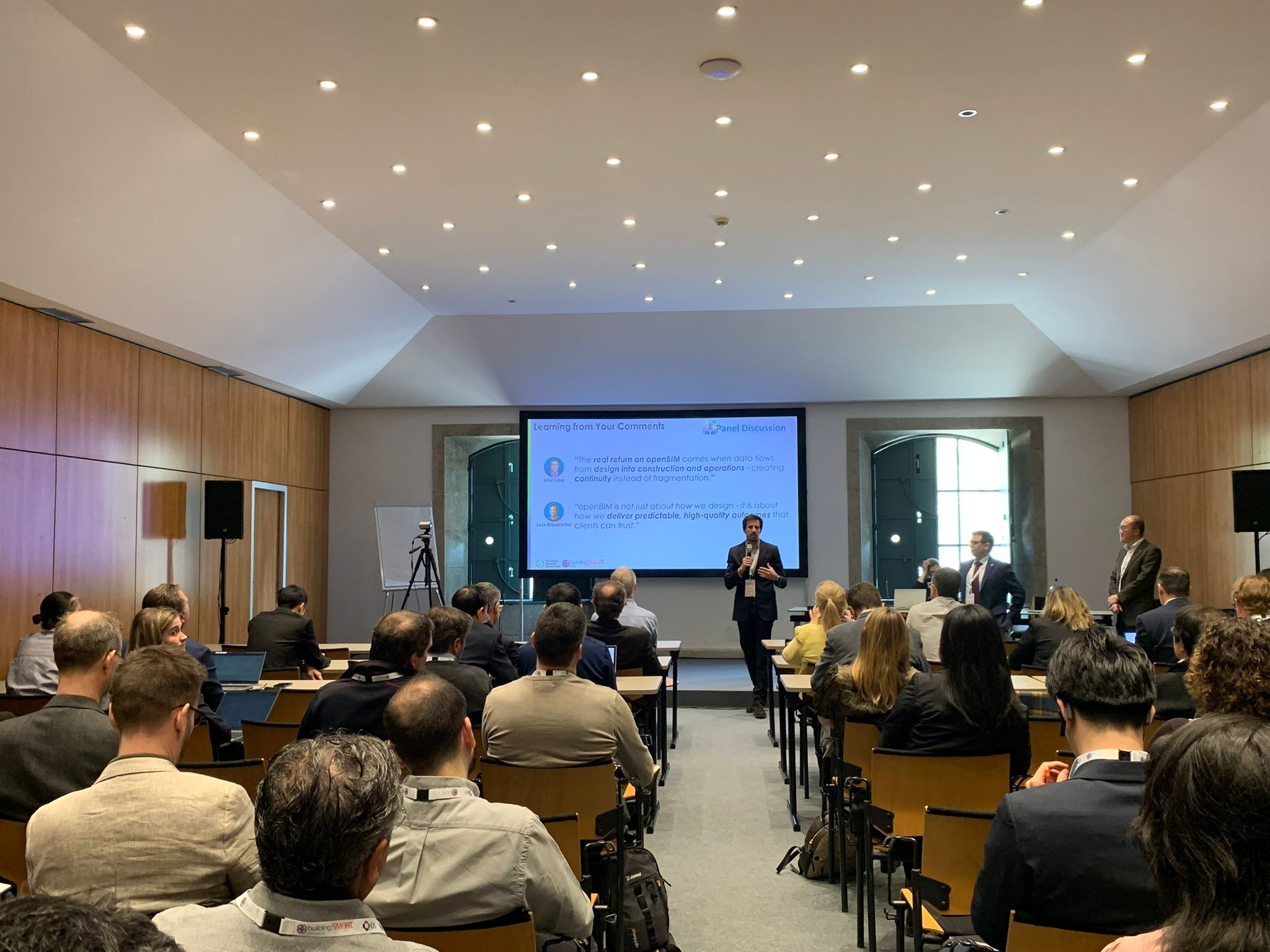
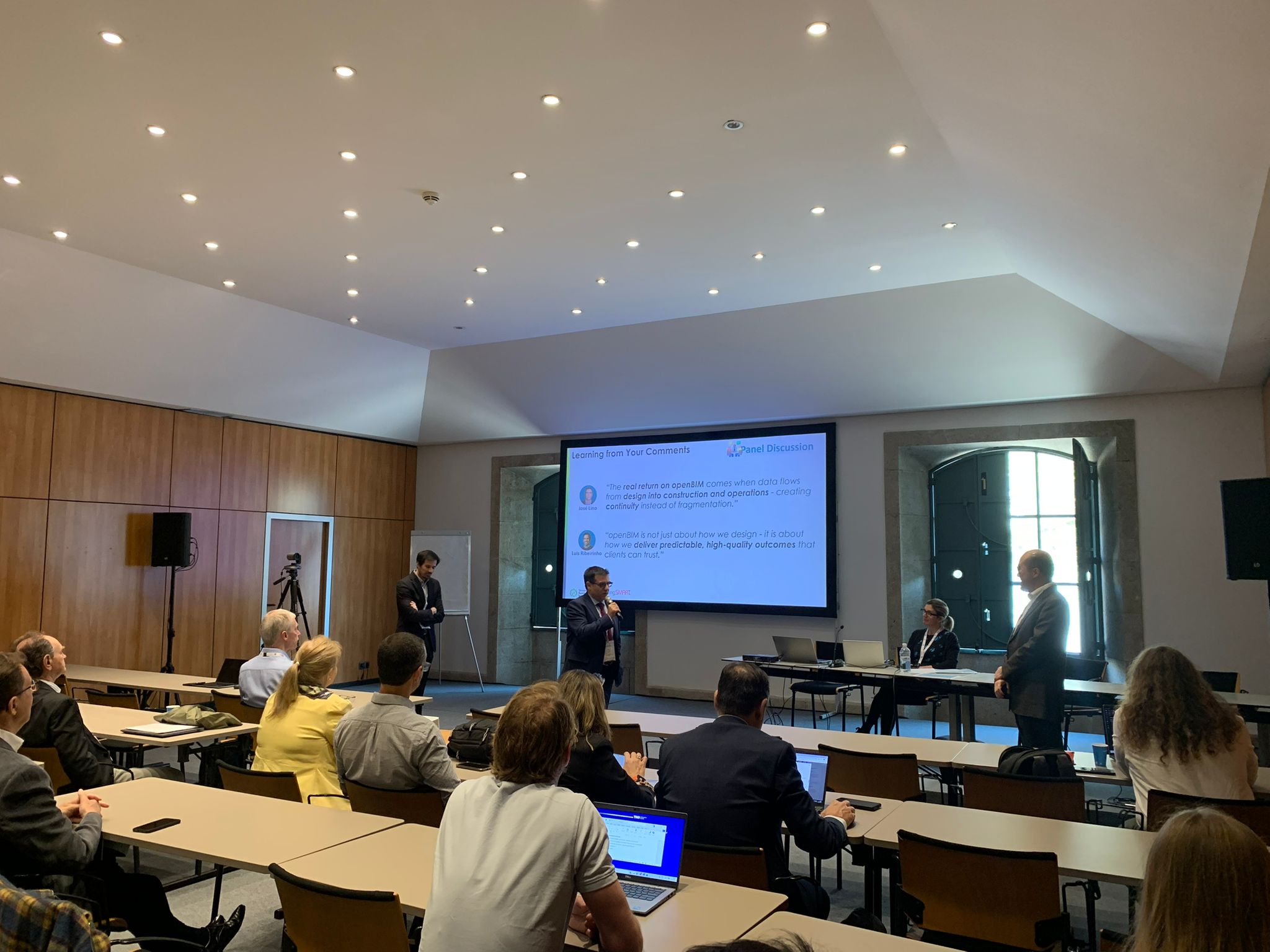
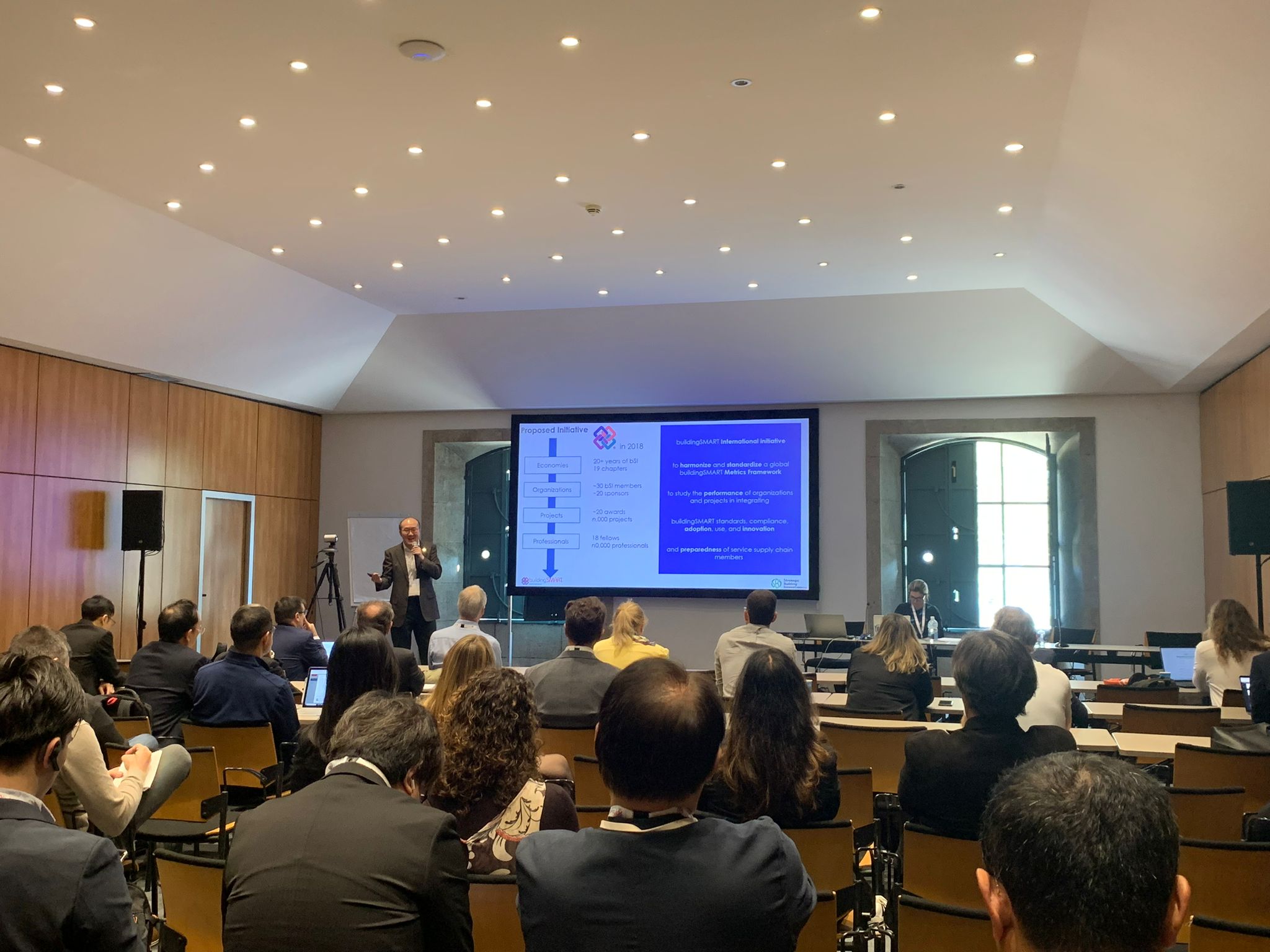
Grateful to buildingSMART International for hosting another engaging summit in Porto — and for the opportunity to reconnect with industry peers from across the globe who are actively advancing openBIM.
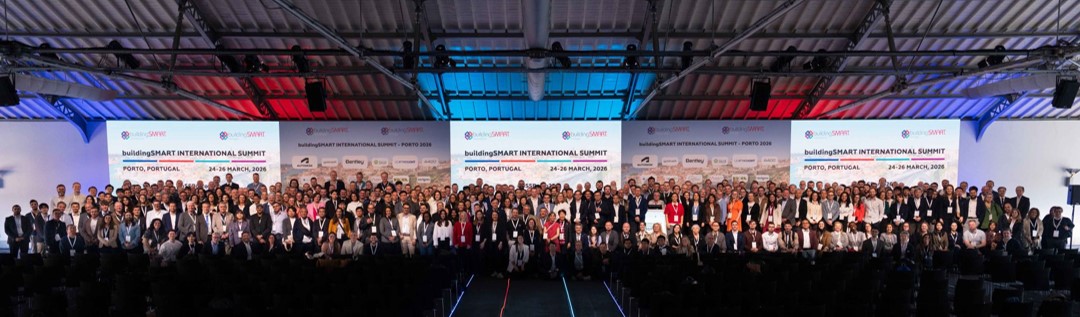
openBIM Business Value
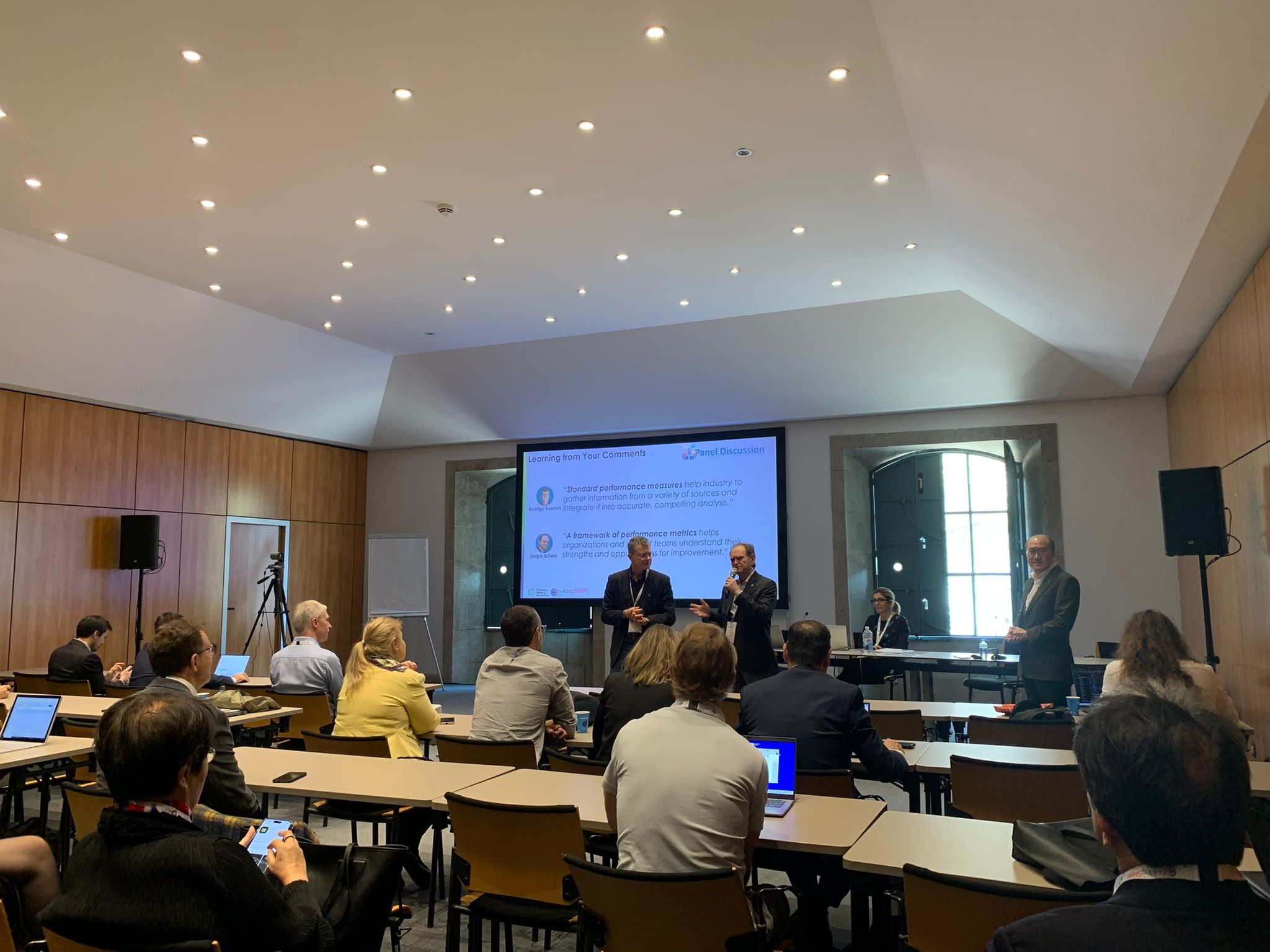
The discussion made one thing clear: while the value of openBIM is widely recognized, quantifying it remains a challenge. Questions around what are the actual costs, how to measure savings, and how to translate project-level benefits into enterprise-wide impact continue to surface.
There’s a growing need to break this down further — not just highlighting the upside, but also understanding what’s not working. Participants emphasized the importance of credible sources, benchmarks, and real project data (including full lifecycle BIM usage) to support the narrative.
Practicality was a strong theme. Many are looking for clearer starting points — “How to get started with openBIM®,” simple KPIs as a point of departure, and structured guidance that can be applied immediately.
Use cases also came up repeatedly: not lengthy reports, but concise, 1-page examples that clearly demonstrate value. At the same time, there’s a gap in available metrics within these use cases, making it harder to communicate impact.
Another key point: value needs to be role-specific. Whether you’re a designer, BIM manager, or owner — the question remains, what’s in it for me?
There’s also interest in scaling insights — from Nordic regional summaries to country-level visibility on validated projects — to help drive broader adoption and strengthen the case for government support.
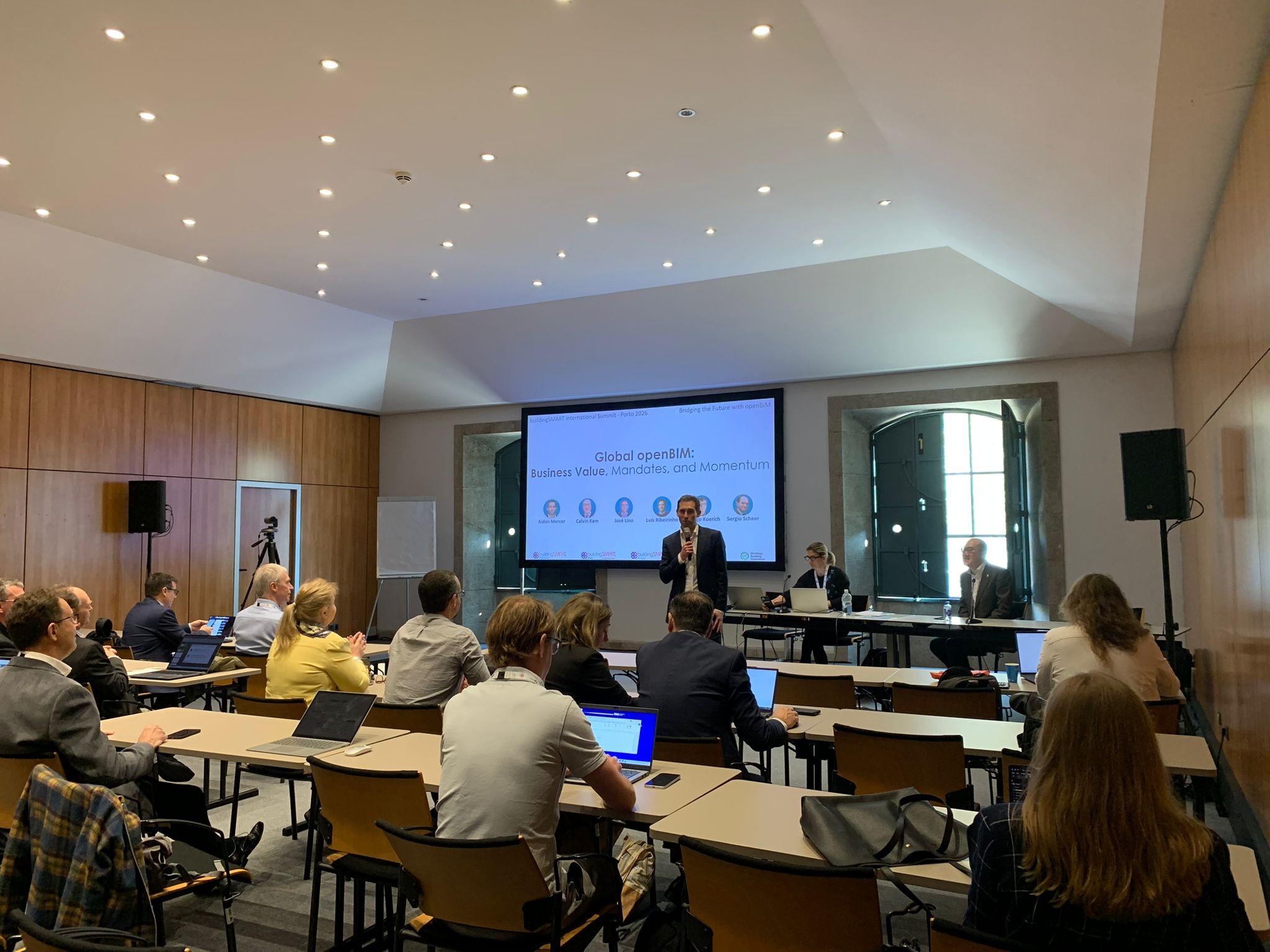
Global openBIM Mandates
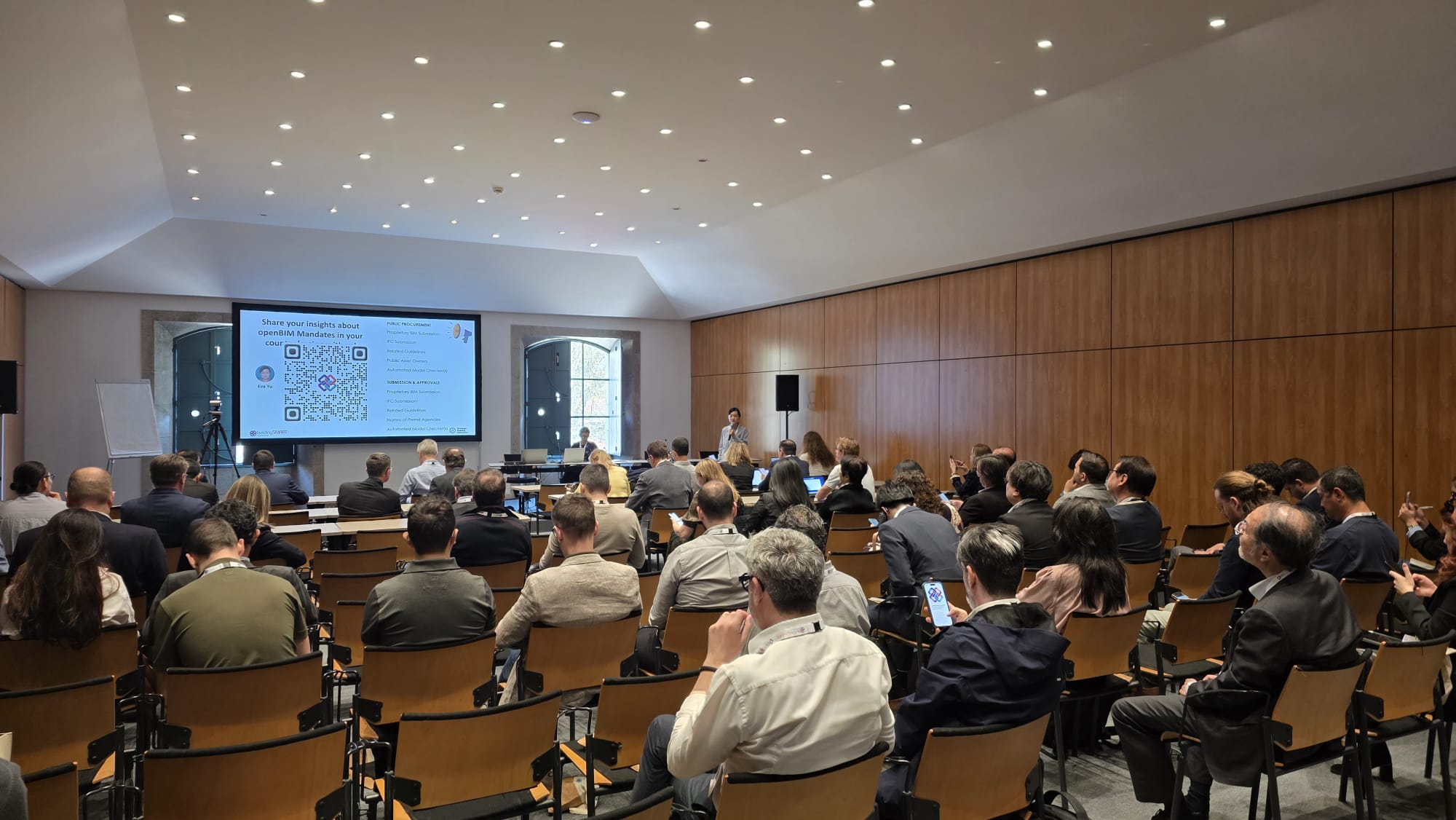
Mandates are evolving rapidly — and keeping up is a challenge. Feedback highlighted that requirements are constantly changing, sometimes month to month, creating a need for more dynamic and accessible ways to track them.
There’s strong interest in a centralized, dashboard-style view of mandates across national, regional, and local levels — potentially in formats that enable better analysis, comparison, and communication.
A key discussion point was the relationship between information management and modeling. There’s increasing alignment that information management should not be tied solely to modeling — with BIM being just one of several ways to manage information, in line with broader standards thinking.
At the same time, there was a clear call for continued international collaboration, more up-to-date guidance, and future publications to help align the industry as mandates mature.
With ~60 attendees and perspectives spanning Spain, Brazil, Hong Kong, Belgium, Japan, the Netherlands, the U.S., Finland, and Canada, the session reinforced a shared direction:
Make value measurable.
Make guidance actionable.
Make adoption scalable.
Looking forward to continuing the conversation.