Back to Events & Publications
Event: 2025 December 02
- 04
Back to Events & Publications
Event: 2025 December 02
- 04
Business Value of Digital Building Permit for Public and Private Industry
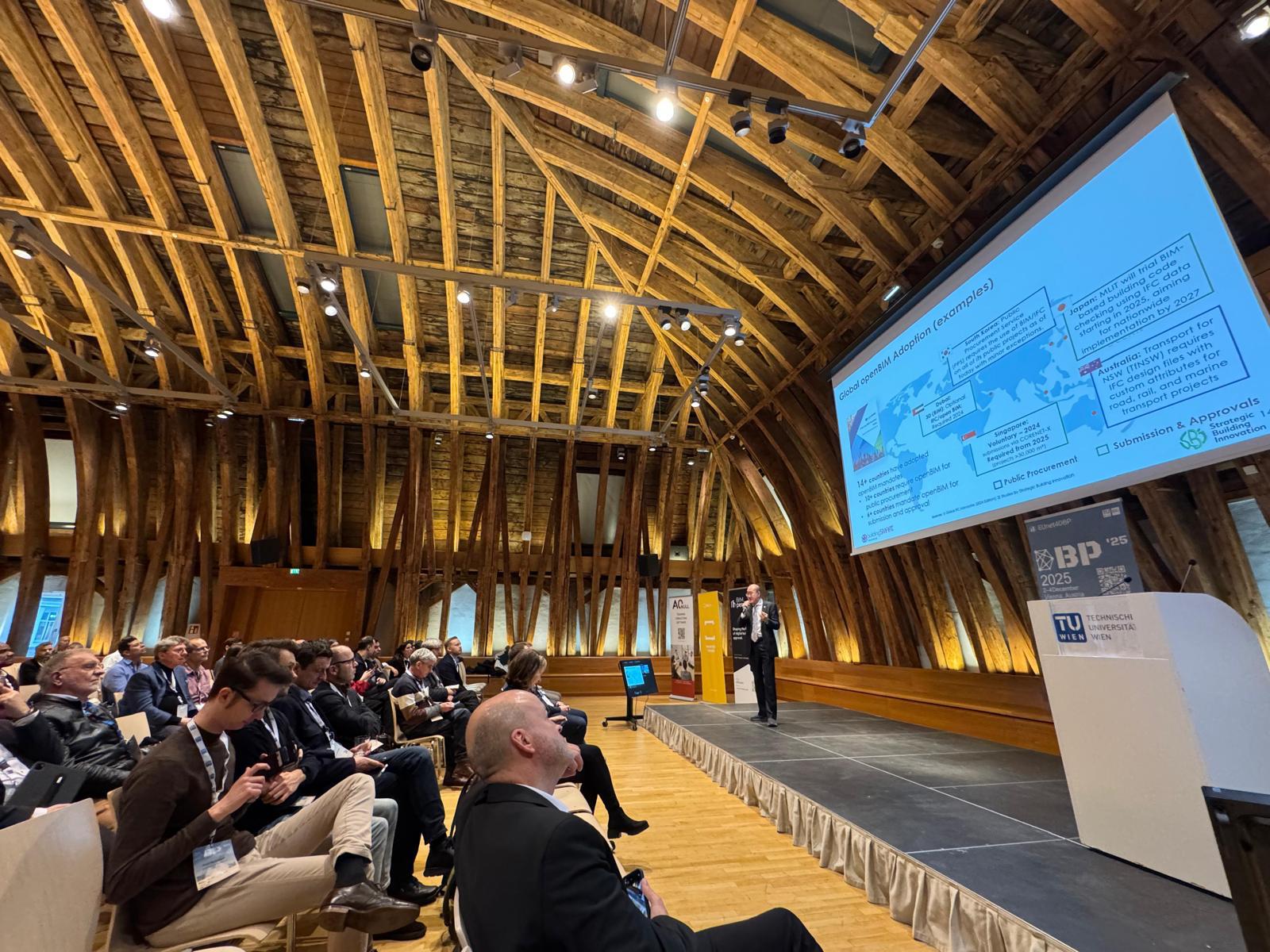
From our point of view, Digital Building Permit Conference 2025 (DBP'25) marked a definitive turning point: it’s no longer about experimenting with digital permits — open standards are becoming the global infrastructure of how buildings will be planned, approved, and managed. For us, the fact that openBIM is now ubiquitous — in cities and projects from Vienna to Madrid, Portugal, Germany and beyond — sends a loud signal: openBIM has graduated from niche to norm.
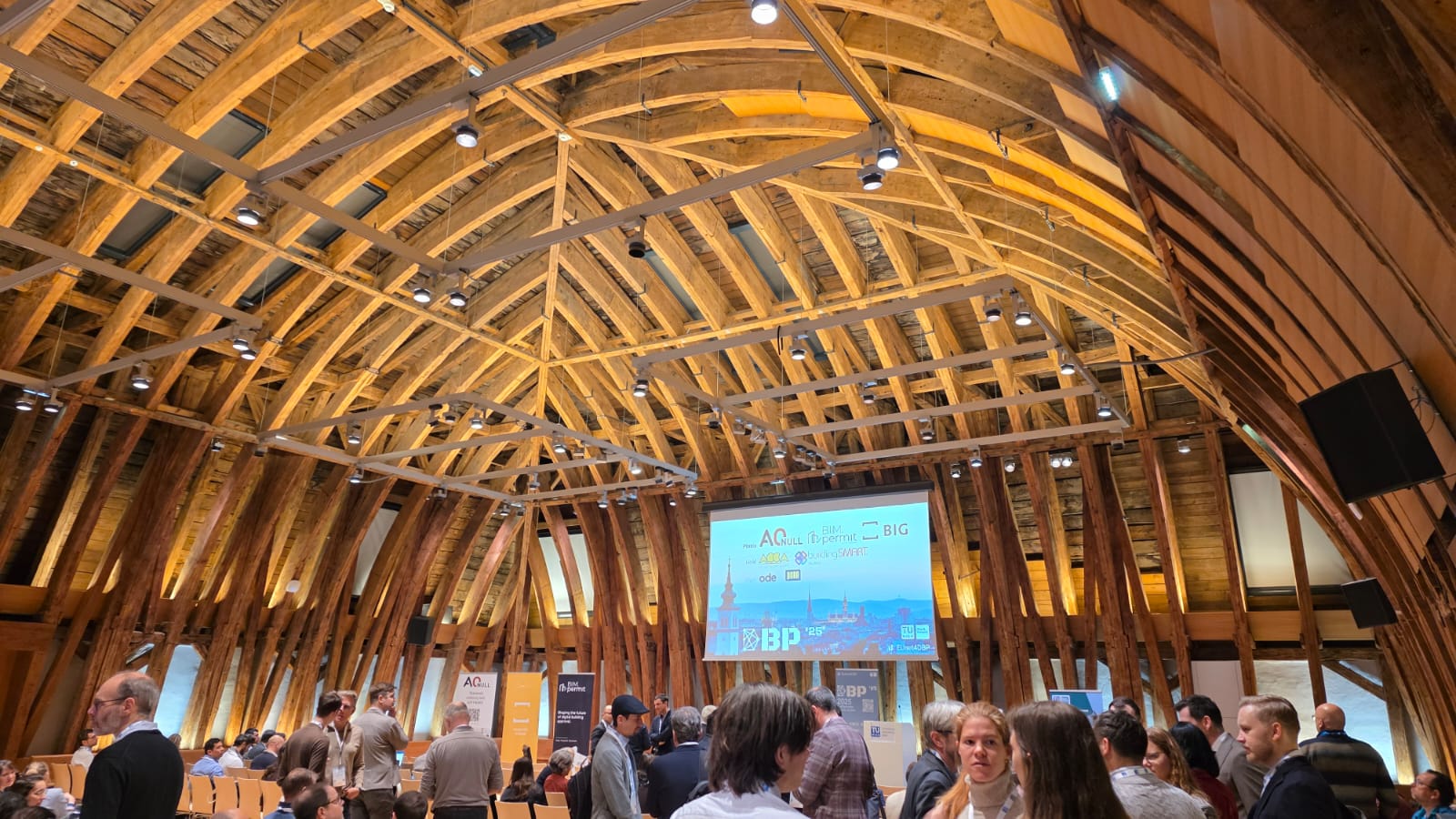
Even more compelling is the worldwide representation at the conference: teams from Ukraine and Israel each travelling with three delegates, alongside participants from the Netherlands, Denmark, Norway, Finland, Germany, Austria, Spain, Portugal, the UAE, Bahrain, Canada, the UK, the USA, and Australia — just to name a few! That’s a broad representation of geographies and regulatory contexts finally converging under a shared digital framework. That breadth demonstrates that this is not a regional trend but a global shift.
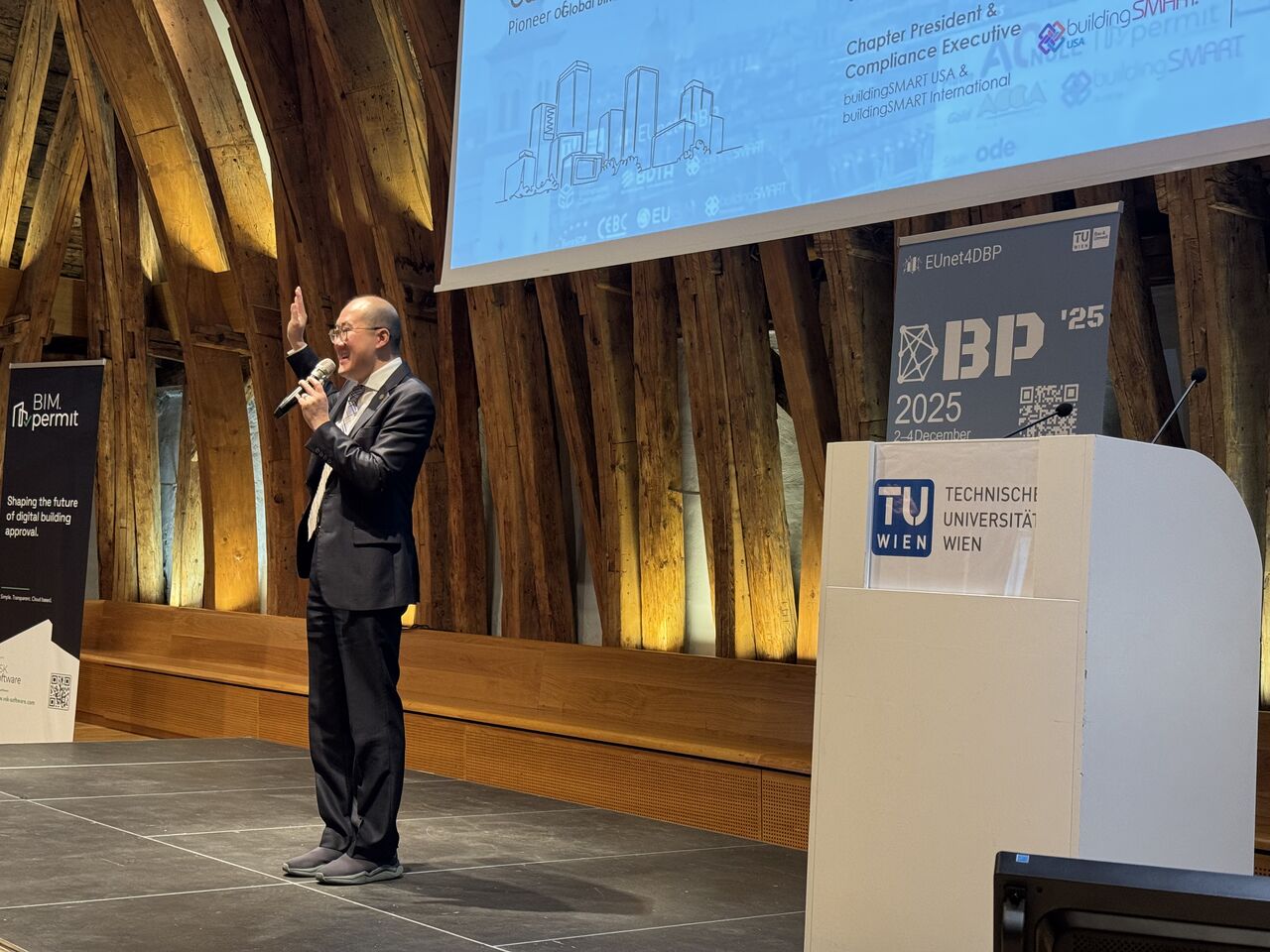
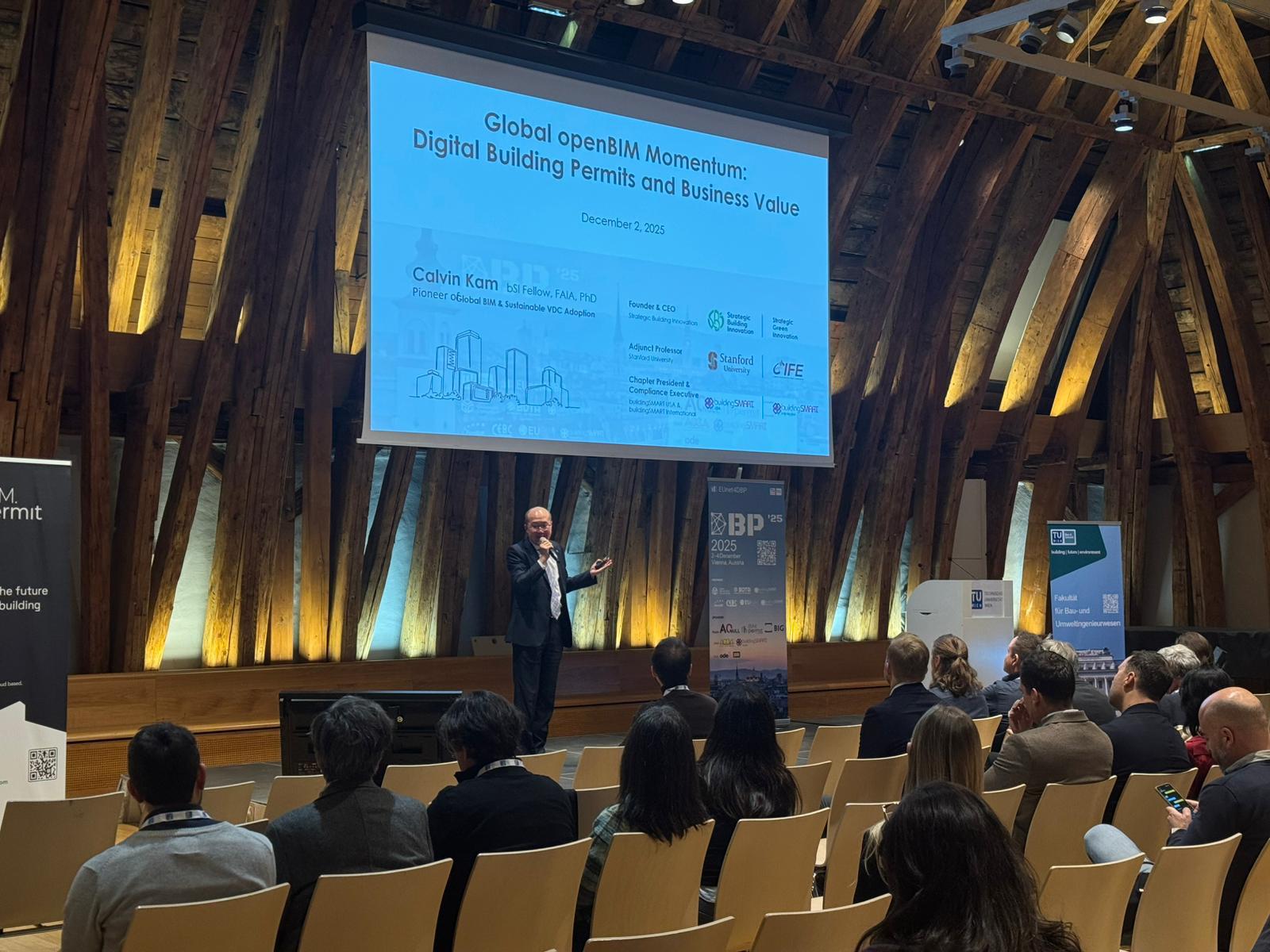
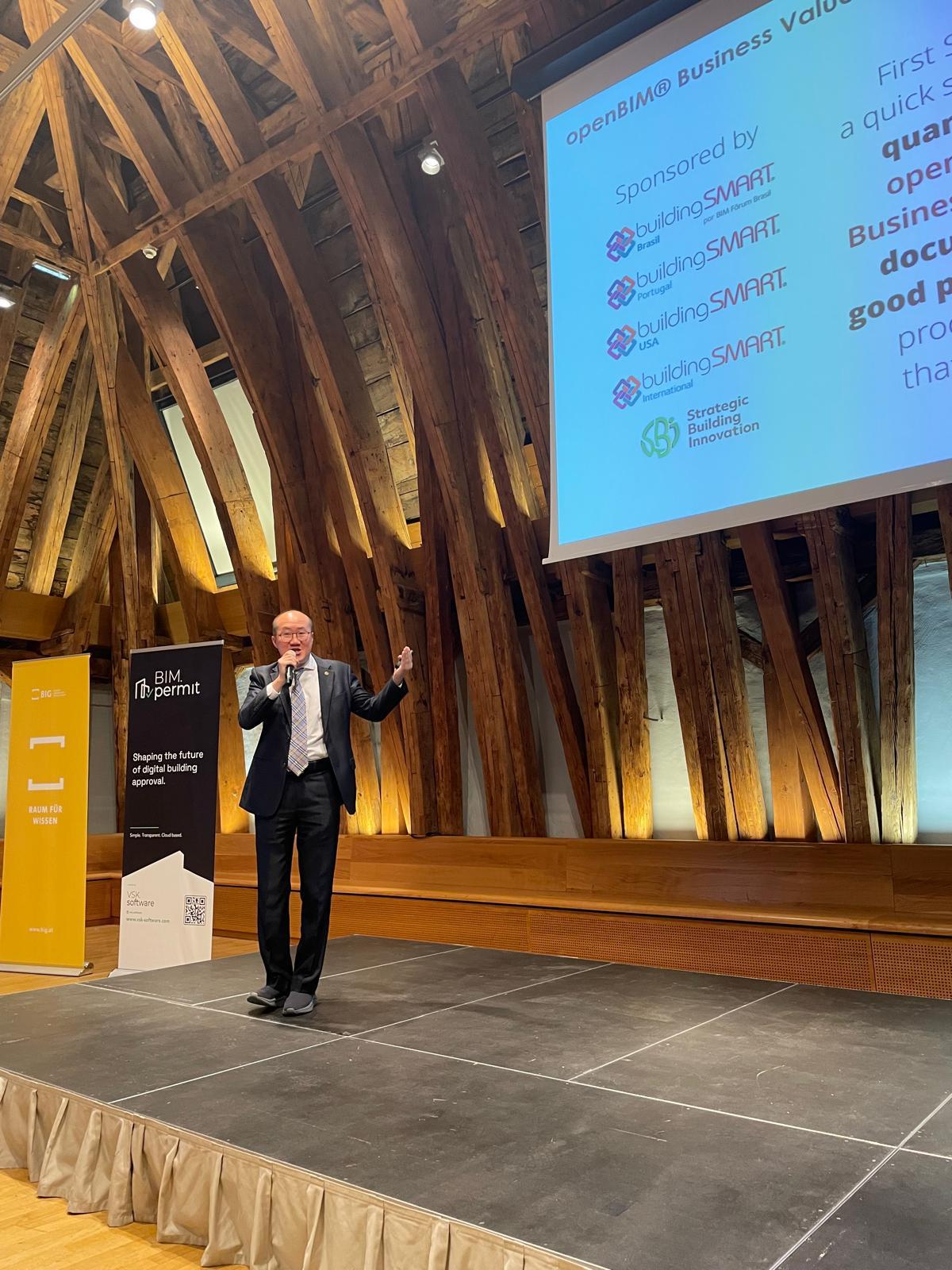
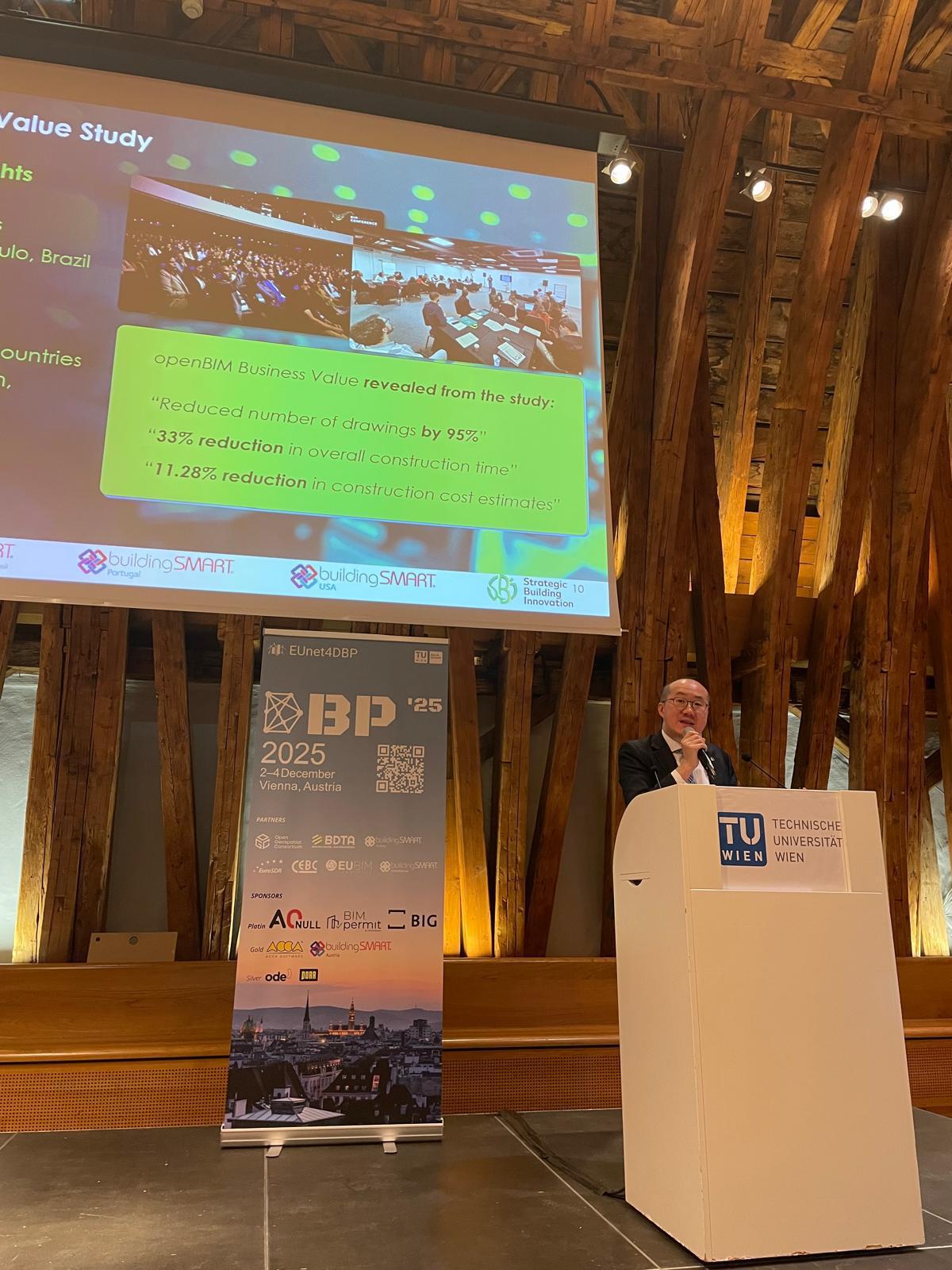
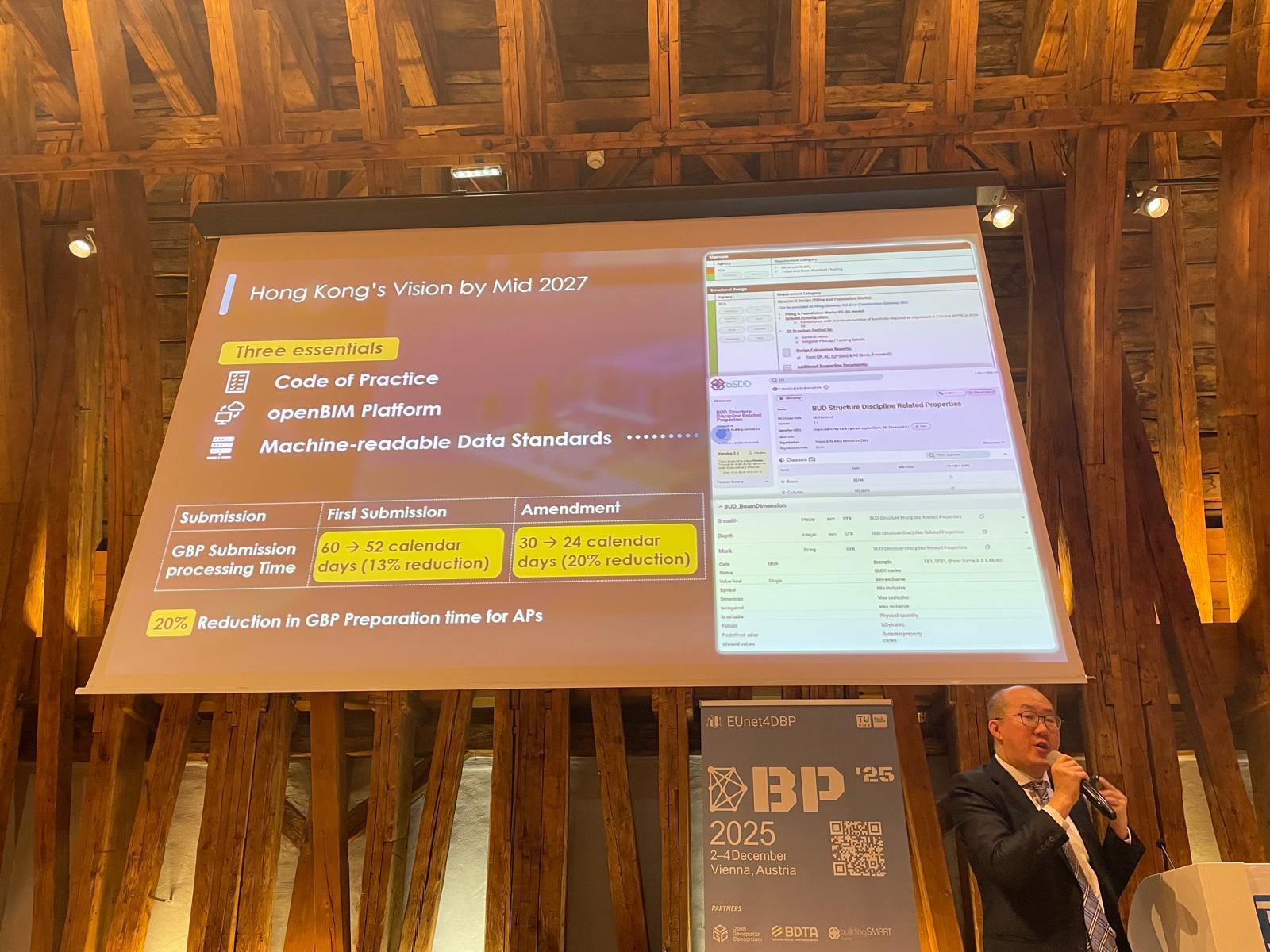
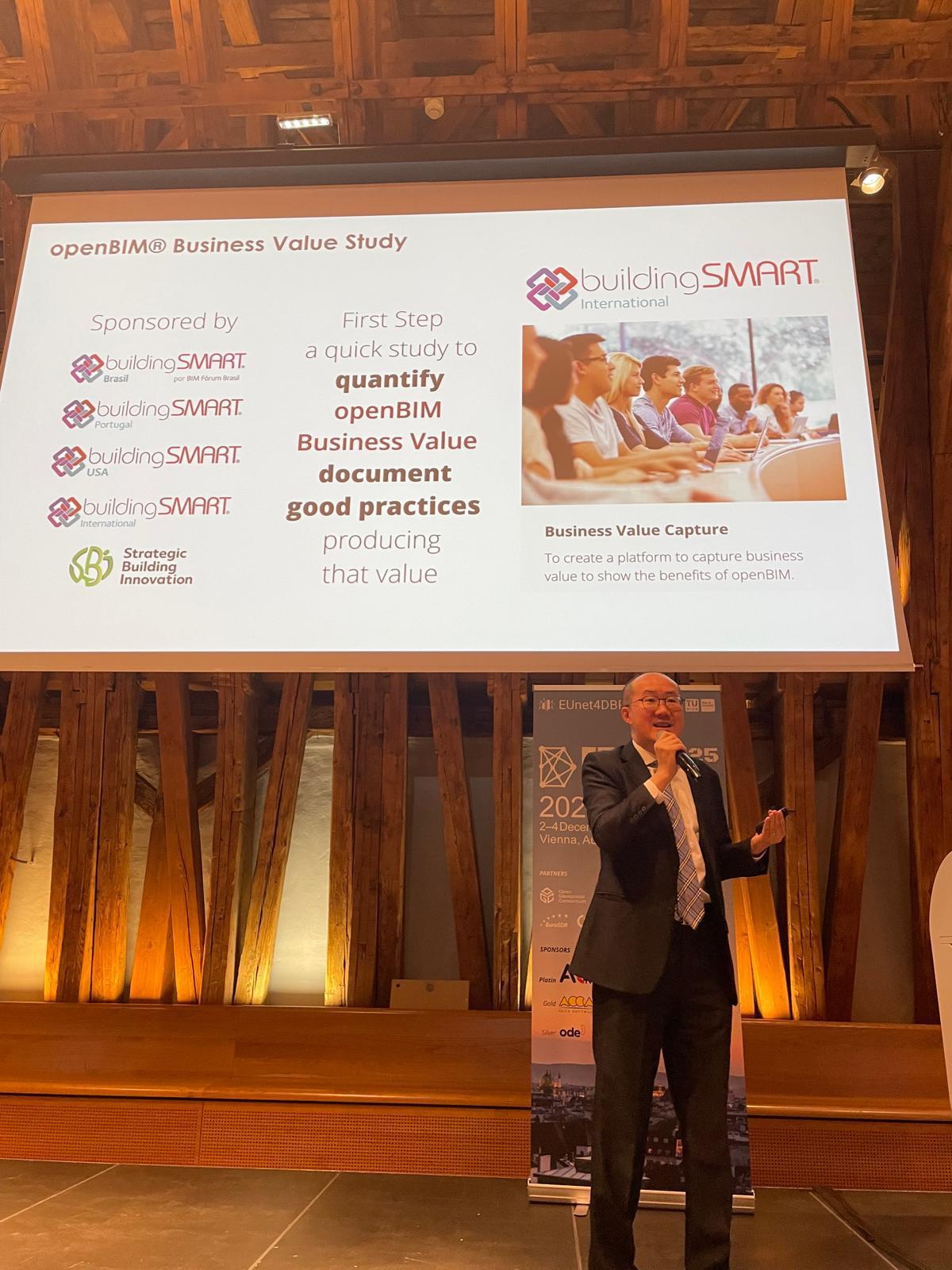
We believe the next frontier isn’t simply “who else adopts openBIM?” — it’s how fast we rally around a common set of performance metrics and business value measurements: efficiency gains, compliance speed, transparency, sustainability, stakeholder satisfaction. That’s why at DBP'25, our CEO Calvin Kam reiterated the same questions: What KPIs should we track? What are realistic, cross-jurisdictional targets for quality, speed, and sustainability? And how do we structure digital permitting processes so that results are comparable globally?
In the end, DBP2'5 felt less like a conventional conference and more like the beginning of a global commitment — a moment where the industry collectively acknowledges that digital permitting, powered by openBIM and collaborative standards, isn’t optional anymore. For us, the mandate is clear: lead the charge, help define the benchmarks, and deliver measurable value — because the future of construction depends on it.